



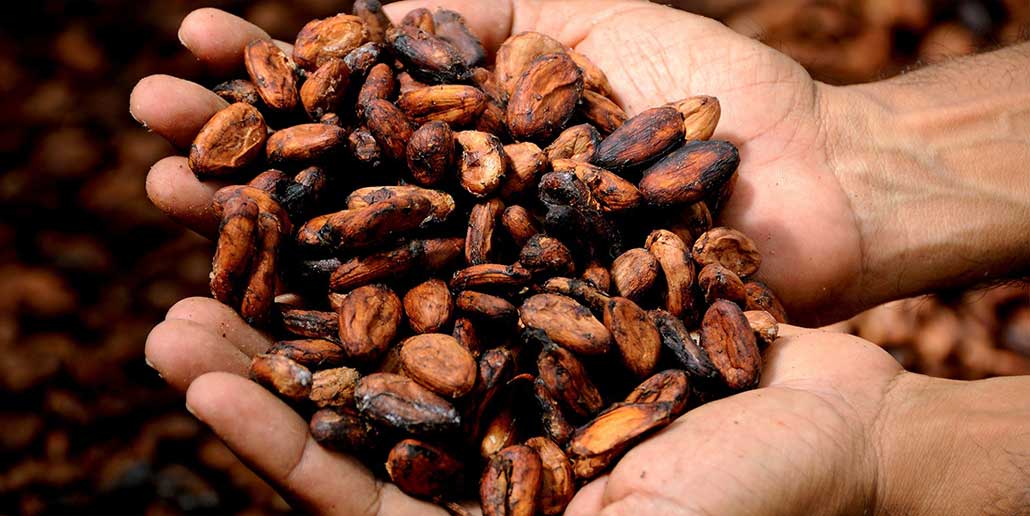
Did You Know Chocolate Was Once Currency?
Before it became the delicious treat we know today, chocolate had a very different role in society. In ancient Mesoamerican cultures, cacao was more than food—it was money, medicine, and a sacred symbol. The Aztecs, Maya, and other civilisations held cacao in such high regard that its beans were used as currency for trade, taxes, and even tribute to rulers. Long before it was sweetened and sold in bars, chocolate was considered so valuable that you could buy a turkey or pay your rent with it.
Cacao in the Ancient World
The story of chocolate begins with the Olmecs, one of the earliest Mesoamerican civilisations, who are believed to be the first people to domesticate the cacao tree around 1500 BCE. The Maya, who followed, incorporated cacao into nearly every aspect of life. They drank it during religious rituals, offered it to the gods, and enjoyed it as a bitter, spiced beverage—nothing like the sugary version we enjoy today.
By the time of the Aztec Empire (c. 1300–1521 CE), cacao had become a cornerstone of both economic and spiritual life. Since the cacao tree could not grow in the high-altitude capital of Tenochtitlán (now Mexico City), the beans had to be imported from lower regions—making them even more precious.
Cacao Beans as Currency
The Aztecs used roasted cacao beans as currency, alongside bartering systems. Historical records describe marketplaces where cacao could be exchanged for goods. A rabbit might cost 30 cacao beans. A turkey hen? About 100. A tamale could be had for just 1.
But cacao wasn’t just pocket change—it also functioned as a way to pay taxes and tribute. Conquered provinces under the Aztec Empire were often required to deliver tens of thousands of cacao beans to the capital as part of their obligations. These stores were kept in royal warehouses, making the emperor quite literally the richest man in chocolate.
This was a time when money could rot. Since cacao is organic, beans could spoil, crack, or be nibbled by insects. Counterfeiters even existed—hollowing out real beans and stuffing them with dirt. The value of cacao made it a target for fraud as well as reverence.
Chocolate’s Sacred and Social Role
Beyond economics, cacao had deep symbolic importance. It was often reserved for the elite—nobility, warriors, priests, and rulers. The Aztecs believed that cacao was a divine gift from the feathered serpent god, Quetzalcoatl, who brought it to Earth to share with humanity.
Cacao was served at royal feasts, wedding ceremonies, and religious offerings. It was considered a source of energy and strength, especially valuable for soldiers heading into battle. Mixed with spices like chilli or maize, the beverage was known as xocolatl—a word that evolved into chocolate.
Interestingly, cacao also played a role in funerary rituals. It was thought to ease the journey of the soul to the afterlife, and traces of cacao have been found in ancient tombs and ceremonial vessels.
From Currency to Confection
When Spanish conquistadors arrived in the 16th century, they quickly realised the significance of cacao in Aztec society. While they initially found the bitter drink unpalatable, they brought it back to Europe, where sugar and cinnamon were added to suit European tastes.
Over time, the role of cacao shifted from sacred currency to luxury commodity, especially among the European elite. By the 18th century, chocolate had become a popular beverage in royal courts, and by the 19th, industrial advancements transformed it into the solid chocolate we know today.
Though its use as currency faded, cacao’s legacy remains. It continues to symbolise indulgence, richness, and—thanks to its ancient origins—cultural reverence.
Chocolate’s Value Endures
Understanding that cacao once held the same value as gold or silver gives us a new appreciation for the chocolate we eat today. Behind every bar lies a story of conquest, trade, reverence, and ritual—a reminder that chocolate wasn’t always just a dessert.
So next time you unwrap a piece of chocolate, think of it as more than a treat. For ancient civilisations, it was power, prestige, and even a paycheck—all in the form of a humble bean.