



Is Cocoa-Free Chocolate the Future?
Chocolate has long been one of the world’s most beloved indulgences, but the industry is undergoing a transformation. Rising cocoa prices, climate concerns, and shifting consumer expectations are prompting companies to rethink how chocolate is made. In response, a growing number of food innovators are developing cocoa-free or reduced-cocoa chocolate alternatives designed to mimic the flavour, texture, and aroma of traditional chocolate.
The question gaining attention among food scientists, chocolatiers, and curious consumers alike is simple: could cocoa-free chocolate become the next big thing in confectionery?
Why Companies Are Exploring Cocoa Alternatives
Traditional chocolate depends on cocoa beans, which are primarily grown in tropical regions of West Africa, Latin America, and Southeast Asia. While cocoa farming supports millions of livelihoods, the crop is vulnerable to climate change, plant diseases, and fluctuating global markets.
In recent years, extreme weather conditions and supply disruptions have pushed cocoa prices to historic highs, creating uncertainty for manufacturers and retailers. These challenges have encouraged companies to explore alternative ingredients that can deliver the same sensory experience as chocolate while reducing dependence on cocoa.
For businesses, the potential benefits are significant. Cocoa alternatives could offer more stable supply chains, lower environmental impact, and the ability to create chocolate-like products using locally available ingredients.
Turning Coffee Waste into Chocolate
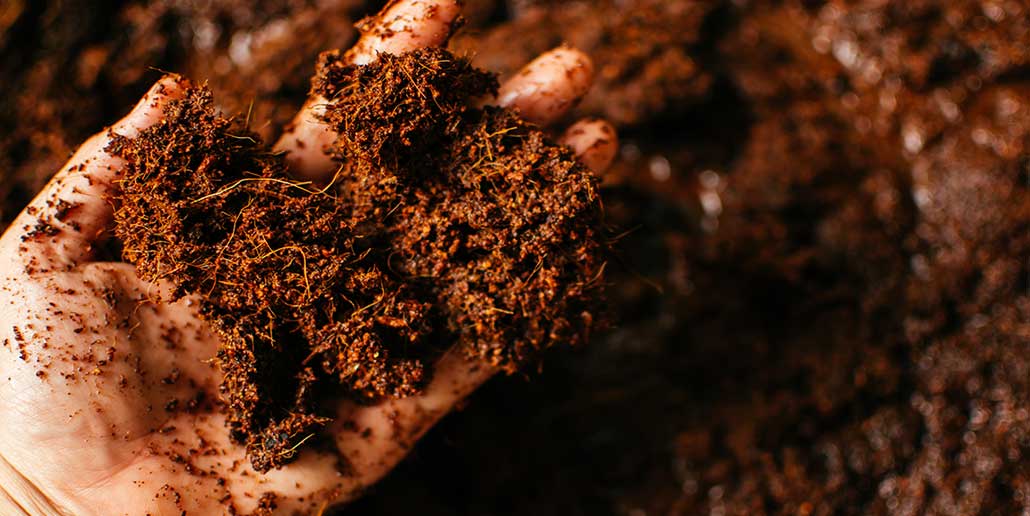
One of the most intriguing developments comes from Brazil, where a food technology startup is transforming coffee husks—a by-product of coffee production—into chocolate-like ingredients.
Coffee husks are the outer layers removed from coffee beans during processing and are often treated as agricultural waste. By applying specialised fermentation and roasting techniques, researchers discovered they could produce flavours that resemble the rich, slightly bitter notes associated with chocolate.
The company has attracted considerable attention from investors and recently secured millions in funding to expand production. If successful, the process could convert large amounts of food waste into a valuable ingredient for confectionery and baked goods.
Beyond sustainability, this innovation highlights how unexpected ingredients may hold the key to the future of chocolate alternatives.
The Science Behind Chocolate Without Cocoa
Replicating chocolate is not easy. The flavour of cocoa is the result of complex chemical reactions during fermentation, drying, roasting, and grinding. To recreate that experience without cocoa beans, scientists are turning to advanced food technology.
Several approaches are currently being explored:
- Fermentation technology
Scientists use controlled fermentation processes to develop flavour compounds similar to those found in cocoa. By fermenting ingredients such as grains, legumes, or fruit by-products, researchers can create chocolate-like aromas and taste profiles. - AI-designed flavour compounds
Artificial intelligence is helping food scientists analyse the chemical makeup of chocolate and identify combinations of ingredients that can reproduce its flavour. This technology allows companies to design new formulations more quickly than traditional trial-and-error methods. - Alternative plant ingredients
Some companies are experimenting with ingredients like carob, barley, oats, sunflower seeds, or grape seeds. Through roasting and blending techniques, these ingredients can develop flavours reminiscent of cocoa.
Together, these technologies are expanding the possibilities for chocolate-inspired products.
Sustainability and Climate Concerns
Environmental sustainability is another major factor driving interest in cocoa-free chocolate.
Cocoa farming faces increasing challenges from climate change. Rising temperatures, irregular rainfall, and soil degradation threaten yields in some traditional growing regions. In addition, concerns about deforestation and supply-chain transparency have pushed the industry to search for more sustainable practices.
Cocoa alternatives could reduce pressure on tropical ecosystems by diversifying ingredient sources. Some products rely on crops that can grow in temperate climates, potentially shortening supply chains and lowering transportation emissions.
While cocoa farming will remain essential to the global chocolate market, these innovations may help build a more resilient food system.
Can Cocoa-Free Chocolate Taste the Same?
For most consumers, the ultimate test is flavour. Chocolate is deeply associated with comfort, celebration, and indulgence, so any alternative must deliver a similar sensory experience.
Early versions of cocoa-free chocolate have received mixed reactions, but technology is improving rapidly. Some products already replicate the smooth texture and familiar bitterness of dark chocolate, while others are designed for baking, beverages, or confectionery fillings.
As research advances, experts expect the flavour gap between traditional chocolate and cocoa alternatives to continue shrinking.
What This Means for Chocolate Lovers
Rather than replacing traditional chocolate entirely, cocoa-free alternatives are likely to expand the chocolate landscape. Consumers may soon see a wider range of products, from classic cocoa-based treats to innovative chocolate-style confections made from unexpected ingredients.
For adventurous food lovers, this could mean discovering new flavours and textures. For manufacturers, it opens the door to more sustainable production methods and greater resilience in the face of climate challenges.
The future of chocolate may not rely on a single ingredient but on a combination of tradition and innovation.
A Sweet Future Ahead
Chocolate has evolved many times over the centuries, from ancient cacao beverages to the modern confectionery industry. Today’s cocoa-free experiments represent the latest chapter in that story.
Whether made from coffee husks, fermented grains, or entirely new plant-based blends, these emerging products demonstrate how creativity and technology can reshape even the most familiar treats.
While classic cocoa chocolate will always have its place, the rise of cocoa-free alternatives suggests that the next generation of sweets could look—and taste—a little different.