



Mexico Unwraps Chocolate Bienestar
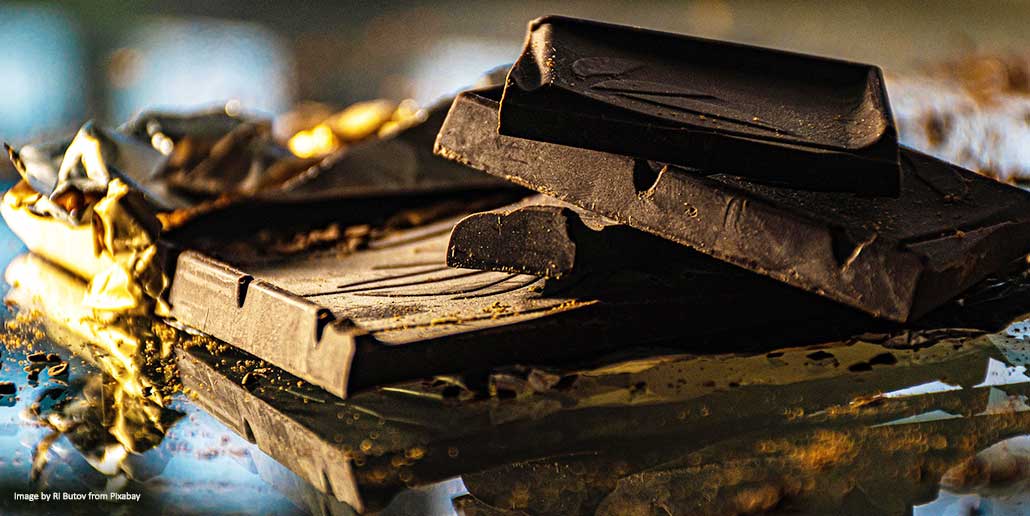
In a move that combines economic justice with cultural pride, Mexico has officially launched Chocolate Bienestar, a new, all-natural chocolate bar sold in government-run Bienestar stores. Made with 45% cacao, the bar is both affordable and ethically sourced—designed to support small-scale producers in Mexico’s cacao heartlands of Tabasco and Campeche. The initiative arrives at a pivotal time, as global cacao production has dropped by 11% between 2023 and 2024 due to climate volatility, pests, and market disruptions.
The launch of Chocolate Bienestar is part of a broader campaign by the Mexican government to use its state-operated retail network to distribute essential foods and locally produced goods at accessible prices. Similar to other Bienestar offerings like rice, milk, or beans, this chocolate bar is meant to serve dual purposes: nourishing families and strengthening regional economies. But it also stands as a symbol—one that fuses heritage, sustainability, and food justice into one glossy brown wrapper.
Supporting Local Growers in Crisis
The chocolate bar is made from cacao cultivated in Tabasco and Campeche, two of the most historically significant cacao-growing states in Mexico. These regions have long produced premium cacao, but many of their smallholder farmers have struggled in recent years due to erratic weather patterns, unstable prices, and limited access to international markets.
Through the Chocolate Bienestar programme, participating farmers are guaranteed fair prices and a stable demand pipeline. According to government officials, cacao is sourced through ethical procurement partnerships that prioritise small-scale, often Indigenous producers. The initiative aims not only to offer a dignified wage but also to create long-term pathways for rural development and climate resilience.
With the chocolate processed and packaged by Liconsa, a government-backed food company, the entire supply chain remains under public oversight—further ensuring transparency, food safety, and accountability.
A Timely Response to Global Cocoa Shortages
The global chocolate industry has faced mounting pressure in 2024 and 2025 as climate change wreaks havoc on cacao yields across West Africa—the region responsible for over 60% of the world’s cocoa. Prices have skyrocketed, and manufacturers around the globe are being forced to rethink sourcing strategies, cut product lines, or reformulate recipes.
By contrast, Chocolate Bienestar represents a more localised, decentralised response to this crisis. It reflects Mexico’s strategic push to regain some of its historical stature in the global cacao economy while mitigating external shocks through domestic capacity-building.
Although the bar is currently sold only in Bienestar stores, there are indications that its success could lead to wider availability or even export opportunities. The initiative is also inspiring conversations about how governments can proactively shape food systems to benefit both producers and consumers.
More Than a Chocolate Bar
Beyond its nutritional and economic significance, Chocolate Bienestar is loaded with cultural resonance. Cacao has been cultivated in Mexico for thousands of years, once serving as currency and a sacred offering in Mesoamerican civilisations like the Maya and Aztec. In that context, this humble bar is not just a product—it’s a revival of ancestral knowledge and a step toward reclaiming sovereignty over an ingredient that is both native and globally cherished.
For many consumers, especially those in marginalised communities, Chocolate Bienestar provides access to a wholesome treat made with real cacao—without the cost or compromises of commercial brands. For farmers, it offers stability and dignity. And for the country as a whole, it marks a modern reimagining of one of Mexico’s most important gifts to the world.