



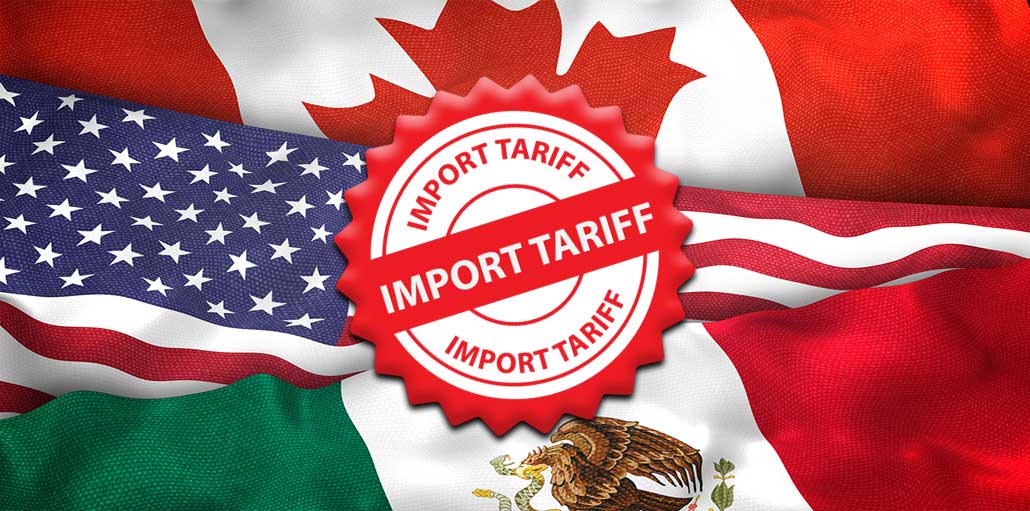
Tariffs and Trade 2025
Chocolate in a Shifting Trade Landscape
Chocolate may be a universal indulgence, but behind each bar lies a finely balanced network of tariffs, trade agreements, and commodity prices. In recent years, the competitive landscape has shifted dramatically. Trump-era tariffs, imposed as part of wider trade disputes, have inadvertently tipped the scales in favour of Canadian and Mexican chocolate makers.
These tariffs, initially aimed at protecting U.S. industries, raised import costs on key raw materials. At the same time, Canada and Mexico, through their positions in trade agreements such as the United States–Mexico–Canada Agreement (USMCA), maintained more favourable access to international cocoa markets. The result: U.S. chocolate makers face higher production costs, while their neighbours to the north and south gain a decisive cost advantage.
How Tariffs Impact the Chocolate Supply Chain
Chocolate production relies on a complex global supply chain. Cocoa beans are sourced primarily from West Africa, but sugar, milk, and packaging materials often come from multiple regions. Tariffs on steel and aluminum, for instance, increased the price of packaging. More directly, tariffs on imported goods and ingredients raised overall production costs for U.S. manufacturers.
Canadian and Mexican chocolatiers, however, avoided many of these additional costs thanks to preferential trade channels. By being able to import raw materials at lower rates and export finished products without steep duties, they have been able to keep prices more competitive.
For large U.S. firms like Hershey, the tariffs have meant narrowing profit margins and tough decisions on whether to absorb costs or pass them on to consumers. For smaller craft makers such as Taza Chocolate, the situation has been even more challenging, with increased difficulty sourcing fair-trade cocoa at affordable levels while still maintaining artisanal quality.
Canadian and Mexican Advantages
Both Canada and Mexico have leveraged their tariff-free access to the U.S. market under USMCA. Canadian chocolatiers, particularly those producing premium and artisanal bars, are able to import raw cocoa without the same level of tariff burden and re-export to the U.S. at competitive prices.
Mexico, with its long history of chocolate-making rooted in indigenous traditions, has seen an opportunity to grow both mass-market and specialty production. Mexican companies not only enjoy reduced tariffs but also benefit from proximity to U.S. markets, making logistics cheaper and faster. Some U.S. firms have even begun shifting portions of production to facilities in Canada or Mexico to offset higher domestic costs.
Price Pressures on the U.S. Market
For American consumers, the effects are most visible in retail pricing. Over the last few years, the cost of a standard chocolate bar has risen steadily, due not only to global cocoa shortages but also to trade policies inflating production costs.
Meanwhile, Canadian and Mexican chocolates are able to undercut U.S. competitors or offer premium quality at similar prices. This creates a new dynamic in supermarket aisles, where consumers are increasingly exposed to foreign-made chocolate products that were once niche but are now more mainstream.
Retailers, eager to maintain margins and satisfy customer demand for affordable treats, have welcomed this shift. As a result, Canadian and Mexican brands are enjoying more shelf space in U.S. stores than ever before.
Ripple Effects Across the Industry
The ripple effects of these tariffs are not limited to price tags. U.S. chocolate manufacturers are facing pressure to rethink their production strategies. Some have considered sourcing more ingredients domestically to reduce exposure to tariffs, though this is difficult given cocoa’s geographical limitations. Others are investing in automation or cutting costs in other areas to stay competitive.
There is also growing interest in co-manufacturing arrangements, where U.S. companies partner with Canadian or Mexican facilities for specific product lines. This allows them to benefit indirectly from the trade advantages while still maintaining brand presence in the U.S. market.
On the flip side, Canadian and Mexican firms are reinvesting their gains into expansion. Craft chocolatiers in Canada are increasing exports, while Mexican producers are scaling up operations to cater to U.S. demand for both traditional products and innovative flavour profiles.
Challenges for Smaller U.S. Producers
For artisanal and small-scale U.S. chocolate makers, the situation is particularly acute. Companies like Taza, which built reputations on ethical sourcing and distinctive flavour, now face steep ingredient costs that make it difficult to compete on price.
These producers often lack the resources to relocate or partner abroad, forcing them to either absorb losses or shift towards premium pricing strategies. While loyal customers may support them, their broader market reach is constrained. The risk is that the U.S. craft chocolate scene could stagnate, even as Canada and Mexico’s industries flourish.
Consumer Choice and Ethical Sourcing
An additional layer to this story is ethics. U.S. consumers are increasingly attentive to sustainability and fair-trade certifications. Ironically, tariffs can make ethically sourced products more expensive, as smaller companies that rely on certified cocoa are disproportionately impacted.
Canadian and Mexican producers that maintain fair-trade practices, yet benefit from tariff advantages, may now be able to deliver ethical chocolate at more affordable prices. This could accelerate their appeal to ethically minded American consumers, putting further pressure on U.S. producers to adapt.
Looking Ahead: Policy and Industry Responses
As the U.S. approaches new rounds of trade negotiations, questions remain about whether tariffs on key inputs will be reconsidered. Industry lobbyists are urging policymakers to recognise the unintended harm caused to domestic chocolate makers, especially as global cocoa prices remain volatile.
In the meantime, the competitive advantage of Canadian and Mexican producers appears set to continue. Their ability to combine tariff-free trade with innovation in flavour and packaging ensures they remain strong contenders in the North American market.
For U.S. firms, adaptation will be essential. Whether through innovation, partnerships, or lobbying for trade reform, the path forward requires resilience. Without change, America’s once dominant position in the North American chocolate market risks being eroded further.
A Bitter-Sweet Reality
Chocolate may be a comfort food, but the realities of global trade make it a complex business. The Trump-era tariffs, though not aimed specifically at chocolate, have had sweeping effects on the industry. By raising costs for U.S. producers and granting unintended advantages to Canadian and Mexican firms, they have redrawn the competitive map of North America’s chocolate market.
For consumers, this means more choice and sometimes lower prices. For U.S. companies, it is a call to innovate or lose ground. As trade policies evolve, the story of chocolate continues to illustrate a larger truth: even the sweetest pleasures are shaped by the bitter realities of economics and politics.
Winners vs. Losers: North American Chocolate Trade
| Category | Impact | Details |
|---|---|---|
| Canada | ✅ Winner | Tariff-free access under USMCA allows Canadian chocolatiers to import raw materials cheaply and export to the U.S. at competitive prices. Premium and artisanal brands benefit most. |
| Mexico | ✅ Winner | Proximity to U.S. markets plus preferential trade channels lets Mexican producers scale up exports and offer traditional and innovative chocolate at lower costs. |
| United States | ❌ Loser | Trump-era tariffs raised production costs on ingredients and packaging. Large firms like Hershey absorb higher expenses, while small artisanal makers face pricing pressures and supply chain challenges. |
| U.S. Consumers | ⚖ Mixed | Access to more affordable Canadian and Mexican chocolate bars, but domestic options may shrink or rise in price due to higher production costs. |
| Ethical/Fair-Trade Producers | ❌ Loser (U.S.) | Smaller U.S. firms reliant on certified cocoa face cost increases, while Canadian/Mexican competitors maintain ethical sourcing at competitive prices. |