



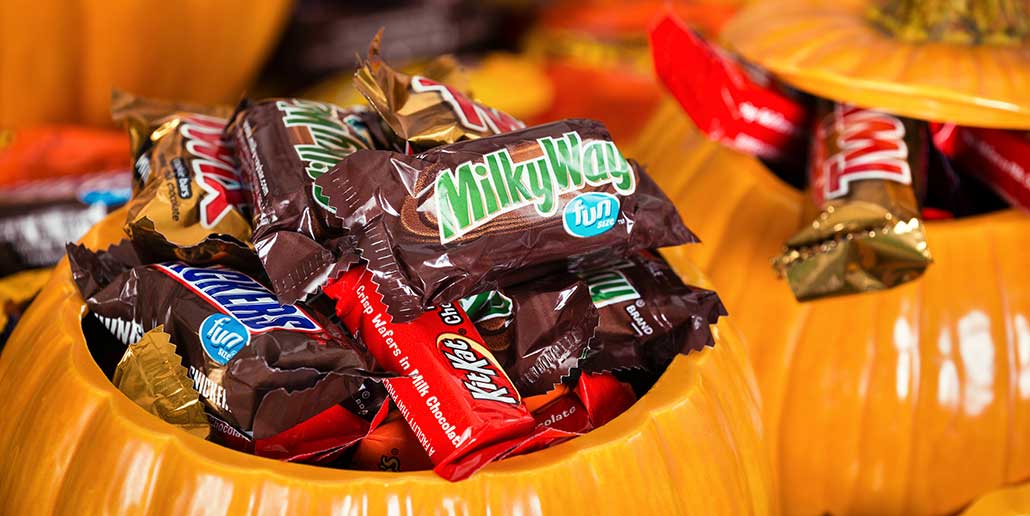
The Sweet and Sour of Halloween 2025
This Halloween, the sweetest holiday on the calendar has taken on a distinctly bitter edge. Across supermarkets and corner shops, chocolate bars and confectionery treats are noticeably more expensive, with some brands costing up to 25% more than last year. Behind this surge lies a perfect storm of global supply issues, climate-related disruptions, and geopolitical trade tensions that have sent cocoa prices soaring to record highs.
For both chocolate lovers and the confectionery industry, Halloween 2025 is becoming a symbol of how fragile—and interconnected—the global food system has become.
The Cocoa Crisis: A Global Shortage
At the heart of this crisis is cocoa, the essential ingredient that gives chocolate its unmistakable richness. Roughly 70% of the world’s cocoa comes from West Africa, with Ghana and Côte d’Ivoire serving as the two largest producers. But since late 2023, the region has faced a devastating combination of extreme weather and crop disease that has slashed yields and pushed prices to historic levels.
An unrelenting cycle of torrential rains followed by prolonged drought—exacerbated by the El Niño weather phenomenon—has wreaked havoc on cocoa plantations. Excess moisture encouraged the spread of black pod disease, a fungal infection that destroys cocoa pods, while the subsequent dry spells weakened trees and made them more susceptible to cocoa swollen shoot virus. By early 2025, analysts estimated a global production shortfall of nearly 500,000 metric tonnes, the largest deficit in over six decades.
The ripple effects have been immediate. Cocoa futures on international exchanges doubled compared to 2023 levels, peaking at over US$10,000 per tonne—a record high. The shortage has not only created panic among manufacturers but also encouraged speculative trading, further amplifying volatility in the market.
Some regions, like Ecuador and Brazil, have ramped up production to fill the gap, but these emerging producers cannot yet match the scale or quality of West African output. Consequently, the global chocolate supply chain remains under strain, with no quick fix in sight.
Tariffs and Trade Tensions Add to the Cost Burden
As if climate challenges weren’t enough, the international trade environment has further tightened the squeeze. In mid-2024, the United States introduced “reciprocal tariffs” on several key cocoa exporters—including Ghana, Côte d’Ivoire, Ecuador, and the Dominican Republic—imposing duties ranging from 15% to 25%. The move, framed as part of a broader strategy to “level trade imbalances,” has significantly raised the cost of importing raw cocoa and semi-processed chocolate products.
For manufacturers, these tariffs translate directly into higher operating costs. Cocoa butter, powder, and liquor—all essential for making chocolate—are now more expensive to procure, especially for firms relying on imported supplies. Although the European Union has not followed suit with similar measures, its environmental regulations on deforestation-free cocoa sourcing have added administrative and logistical burdens for exporters, indirectly contributing to higher prices.
In short, both environmental and economic forces are colliding to create an unprecedented cost burden on the chocolate trade.
Impact on Manufacturers
For the world’s major chocolate producers, these conditions have turned what should be a profitable season into a logistical and financial headache. Companies like Hershey, Mars, and Lindt & Sprüngli have all reported steep rises in production expenses, citing cocoa’s meteoric price increases as a central concern.
In an effort to cope, many firms have employed a mix of strategies—some subtle, others more visible. “Shrinkflation,” the quiet reduction of product size while maintaining the same price, has become increasingly common across chocolate aisles. Smaller bars, lighter boxes, and thinner coatings allow brands to manage costs without directly shocking consumers with higher price tags.
However, not all companies have chosen this route. Hershey, for instance, announced plans to raise retail prices later in the autumn, acknowledging that soaring cocoa prices have become impossible to absorb. The company’s CFO described the situation as “unprecedented,” noting that even long-term supplier contracts—once a safeguard against price fluctuations—are no longer enough to offset the rapid cost escalation.
Luxury brands are facing similar challenges, albeit at a different scale. Artisanal chocolatiers in Europe and North America, who depend heavily on single-origin cocoa and ethical sourcing, are struggling to maintain profitability without compromising quality. Some have temporarily suspended limited-edition products or raised prices by as much as 30%. For small businesses, the crisis is not just about profit margins—it’s about survival.
The Bigger Picture: Cocoa, Climate, and the Future of Chocolate
The turmoil surrounding Halloween 2025 serves as a stark reminder that climate change is no longer a distant threat—it’s already reshaping the world’s food systems. Cocoa trees are particularly vulnerable to environmental stress; they require consistent rainfall, fertile soil, and temperatures within a narrow range. Even slight deviations can have dramatic effects on yields.
Experts warn that without significant investment in sustainable farming practices, the situation could worsen in coming years. Initiatives are already underway to develop climate-resilient cocoa varieties and promote agroforestry systems that protect both crops and ecosystems. Major confectionery companies have pledged to source 100% sustainable cocoa by 2030, but progress has been uneven, particularly among smaller suppliers who lack resources for certification.
At the same time, West African governments are under pressure to balance economic dependence on cocoa exports with environmental responsibility. The industry provides livelihoods for millions of smallholder farmers, many of whom are grappling with rising fertiliser costs and declining productivity. Without structural reforms and global support, these farmers risk being squeezed out of the market altogether.
Looking Ahead
While cocoa prices have eased slightly from their April 2025 peak, they remain more than double their long-term average. Analysts predict that elevated prices will persist through the 2025–26 crop year, especially if weather patterns continue to fluctuate. Recovery may not come until mid-2026, when new harvests in Ecuador, Brazil, and Cameroon are expected to stabilise global supply.
In the meantime, consumers can expect chocolate to remain a luxury item rather than an everyday indulgence. Manufacturers will likely continue adjusting product sizes and prices to protect margins, while policymakers and environmental groups push for reforms aimed at making cocoa farming more sustainable and resilient.
Halloween 2025, then, stands as a cautionary tale—a reminder that the cost of a simple chocolate bar reflects a complex web of global challenges. From climate disruption to trade politics, every bite tells a story that is both sweet and sour.