



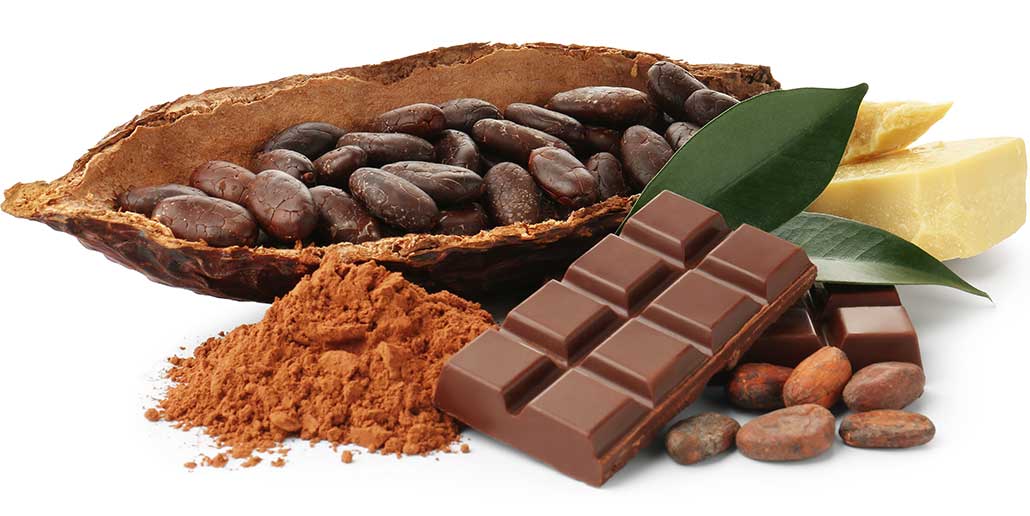
Chocolate’s Global Future
Chocolate has long been a symbol of indulgence, heritage, and global connection. From its ancient ceremonial use in Mesoamerica to the refined pralines of Belgium and the bold innovations of Asia, chocolate tells the story of civilization through flavour. But as the world evolves, so too does our relationship with cacao — the plant at the heart of every bar. Today, chocolate is more than a treat; it’s a reflection of environmental pressures, ethical choices, and a growing desire for transparency.
As we conclude our global journey through chocolate cultures, this final post turns its gaze forward. What lies ahead for this beloved food? How are climate change, craft innovation, and consumer values reshaping the chocolate industry? In this article, we’ll explore the forces shaping the future of chocolate — and why that future may be the most exciting chapter yet.
How Climate Change is Affecting Cacao
As beloved as chocolate is, its future faces serious environmental challenges. Cacao trees are highly sensitive to temperature, rainfall, and soil conditions, and all of these are being disrupted by climate change.
Regions like West Africa, which produce over 70% of the world’s cacao, are seeing rising temperatures and shifting weather patterns that threaten yields and farmer livelihoods. Meanwhile, diseases such as frosty pod rot and witches’ broom are becoming more prevalent in cacao-producing areas.
To secure the future of the chocolate industry, scientists and farmers are working together to breed climate-resilient cacao varieties, promote agroforestry, and implement sustainable farming practices. Initiatives focused on education and reforestation aim to protect both biodiversity and farmer incomes.
The impact of climate change is not just agricultural — it could alter the availability, cost, and taste of chocolate. As consumers become more aware of this link, climate-conscious purchasing may become a core pillar of future chocolate consumption.
Micro-Origin and Hyper-Local Chocolate Trends
As consumers grow more curious about where their chocolate comes from, the bean-to-bar movement has evolved into something even more specific: micro-origin and hyper-local chocolate.
Micro-origin chocolate highlights beans from single farms, co-operatives, or even particular harvests. The focus is on terroir — how soil, climate, and farming techniques influence flavour. Just as wine lovers celebrate the subtle differences between vineyards, chocolate lovers are beginning to appreciate the nuances in cacao from specific regions or producers.
At the same time, more makers are exploring hyper-local collaborations, using local milk, sea salt, berries, or indigenous herbs to craft chocolate that truly reflects a region’s identity. Whether it’s seaweed in Ireland or wattleseed in Australia, these bold flavour experiments are expanding chocolate’s cultural and culinary boundaries.
These trends are not only fuelling creativity but are also helping to keep small-scale farming and production alive — an important aspect of a more inclusive and resilient chocolate industry.
The Rise of Ethical, Transparent Chocolate
Ethics are increasingly at the centre of chocolate’s future. The historical ties between cacao and colonialism, child labour, and environmental degradation have prompted a new generation of chocolate makers and consumers to seek radical transparency.
Labels like Direct Trade, Fair Trade, and Rainforest Alliance have become more common, but many producers are going even further by publishing farmer pay rates, supply chain maps, and environmental impact reports.
This growing movement isn’t limited to craft producers. Even large chocolate companies are being pushed to adopt more ethical and sustainable practices. Innovations in blockchain technology, for example, are being explored as tools to ensure traceability from farm to bar.
Moreover, ethical chocolate isn’t just about fair pay — it’s also about celebrating and supporting cacao-producing communities. More origin countries, particularly in Latin America and Africa, are beginning to retain value by producing their own chocolate, rather than just exporting raw cacao. This shift is helping to create a more equitable and inclusive chocolate industry worldwide.
A Global Love for Chocolate
From sacred rituals in Mesoamerica to elegant pralines in Belgium, and from spicy Indian infusions to single-origin bars from Madagascar, chocolate remains one of the most cherished and versatile foods on the planet.
What makes chocolate so special is its ability to transcend borders, taking on the characteristics, flavours, and stories of the cultures that embrace it. Through this global series, we’ve seen how each region contributes uniquely to the chocolate tapestry — whether through history, technique, ingredient pairings, or innovation.
As we look ahead, the most exciting part of chocolate’s future may be its potential to unite. The worldwide community of growers, makers, and enthusiasts continues to grow, driven by a shared passion for flavour, craft, and justice.
While the challenges ahead are significant, the energy and creativity within the chocolate world give us hope. With a growing emphasis on ethics, environmental stewardship, and culinary exploration, the chocolate industry is poised for a future that is not only sustainable — but also deeply delicious.