



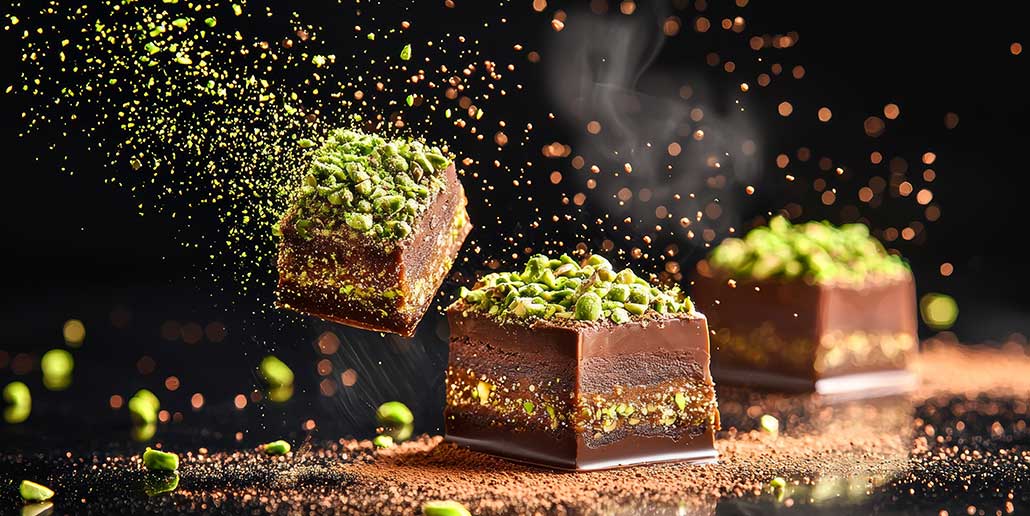
The Rise of Dubai-Style Luxury Chocolate
Chocolate has long been associated with comfort and celebration, but in 2026, it is undergoing a transformation. No longer confined to supermarket shelves or seasonal gifting, chocolate is entering a new category—luxury. At the centre of this shift is the growing global influence of Dubai-style luxury chocolate, an opulent, visually striking approach that elevates confectionery into a premium lifestyle experience.
Inspired by the extravagance of Dubai, this trend blends culinary craftsmanship with high-end aesthetics. Think hand-painted bonbons, edible gold leaf, jewel-toned glazes, and rich fillings such as pistachio cream, saffron, and rose. These creations are designed not only to be eaten but to be admired, shared, and showcased.
From Regional Specialty to Global Phenomenon
While luxury chocolate is not new, Dubai has redefined what premium means in the confectionery space. Chocolatiers in the region have embraced a philosophy that merges flavour with visual drama, creating products that appeal as much to social media audiences as they do to traditional chocolate lovers.
Over the past year, this aesthetic has rapidly expanded beyond the Middle East. Boutique chocolatiers across Europe and North America are adopting similar techniques, incorporating bold flavours, intricate designs, and high-end packaging into their offerings. The influence is particularly evident in major urban centres, where consumers are increasingly seeking out unique, experiential treats.
This global spread has been fuelled in part by social media platforms, where visually captivating chocolates regularly go viral. The result is a shift in consumer expectations—chocolate is no longer just about taste; it is about presentation, storytelling, and exclusivity.
The Art of Presentation
One of the defining features of Dubai-style chocolate is its attention to detail. Each piece is crafted to resemble a miniature work of art, often featuring geometric designs, metallic finishes, or hand-brushed colour gradients. Packaging plays an equally important role, with many brands opting for elegant boxes, velvet linings, and personalised touches.
This emphasis on presentation has transformed chocolate into a premium gifting option. Whether for holidays, corporate events, or personal celebrations, consumers are increasingly drawn to chocolates that feel bespoke and luxurious. The unboxing experience has become just as important as the product itself, reflecting a broader trend in retail towards immersive, multi-sensory engagement.
Flavour Innovation Meets Tradition
While aesthetics are a key driver, flavour remains central to the appeal of Dubai-style chocolate. Many creations draw inspiration from Middle Eastern culinary traditions, incorporating ingredients such as dates, cardamom, tahini, and orange blossom. Pistachio, in particular, has emerged as a standout flavour, often paired with dark or milk chocolate to create a rich, nutty profile.
At the same time, chocolatiers are experimenting with unexpected combinations, blending sweet and savoury elements or introducing subtle spice notes. This balance between tradition and innovation allows brands to offer something both familiar and exciting, appealing to a wide range of palates.
The Influence on Global Markets
The rise of Dubai-style chocolate is having a noticeable impact on the wider confectionery industry. Established brands are beginning to introduce more premium lines, while independent chocolatiers are leaning into artisanal techniques and storytelling to differentiate themselves.
In markets like Canada and the United Kingdom, the trend is also encouraging consumers to trade up. Rather than purchasing large quantities of mass-produced chocolate, many are opting for smaller, higher-quality selections. This shift aligns with broader consumer preferences for mindful indulgence—choosing quality over quantity.
Retailers, too, are adapting. Pop-up chocolate boutiques, curated gift sets, and limited-edition collections are becoming more common, particularly during peak seasons such as Valentine’s Day and Christmas. These offerings cater to consumers looking for something distinctive and memorable.
Social Media and the Luxury Effect
The role of social media cannot be overstated in the rise of this trend. Platforms like Instagram and TikTok have turned chocolate into a visual spectacle, where intricate designs and luxurious finishes capture attention instantly. Videos showcasing the cutting of glossy bonbons or the reveal of layered fillings often attract millions of views.
This digital exposure has created a feedback loop: as more consumers seek out visually impressive chocolates, brands are encouraged to push the boundaries of design even further. The result is a continuous evolution of styles and techniques, keeping the trend fresh and dynamic.
What Comes Next for Chocolate?
As Dubai-style luxury chocolate continues to gain traction, it is likely to shape the future of the confectionery industry in meaningful ways. We can expect to see further experimentation with flavours, increased emphasis on sustainability within the premium segment, and a growing focus on personalisation.
Ultimately, this trend reflects a broader cultural shift. Consumers are no longer satisfied with ordinary treats; they are seeking experiences that feel special, memorable, and worth sharing. In this context, chocolate has found a new identity—not just as a sweet indulgence, but as a symbol of modern luxury.
For brands and chocolatiers alike, the message is clear: in 2026, chocolate is not just about what you taste—it is about what you feel, see, and experience.