



Europe and Chocolate
When cacao first arrived in Europe in the 16th century, it was an exotic curiosity — bitter, rare, and reserved for the elite. But Europe didn’t just adopt chocolate; it transformed it. Over centuries, European chocolatiers reimagined cacao into the silky, indulgent treats we love today, infusing their own regional styles and innovations.
From Switzerland’s creamy confections to Italy’s rich gianduja, Europe’s relationship with chocolate is nothing short of a love story — one filled with craftsmanship, creativity, and luxury.
Switzerland’s Creamy Legacy: The Birth of Milk Chocolate
Switzerland may be a small country, but its impact on the chocolate world is monumental. Swiss chocolatiers elevated chocolate from a gritty, sometimes bitter experience to the smooth, creamy bars we associate with luxury today.
In 1875, Daniel Peter made history by inventing milk chocolate, blending cacao with powdered milk developed by his neighbour, Henri Nestlé. This innovation revolutionized the chocolate industry, making it more accessible and appealing to a broader audience.
Swiss brands like Lindt, Toblerone, and Nestlé perfected the art of conching — a technique that smooths chocolate texture, setting new standards for quality. Today, Switzerland boasts some of the highest per-capita chocolate consumption rates in the world, and Swiss chocolate remains synonymous with precision, quality, and creamy richness.
Belgium’s Artisan Pralines and Chocolatiers
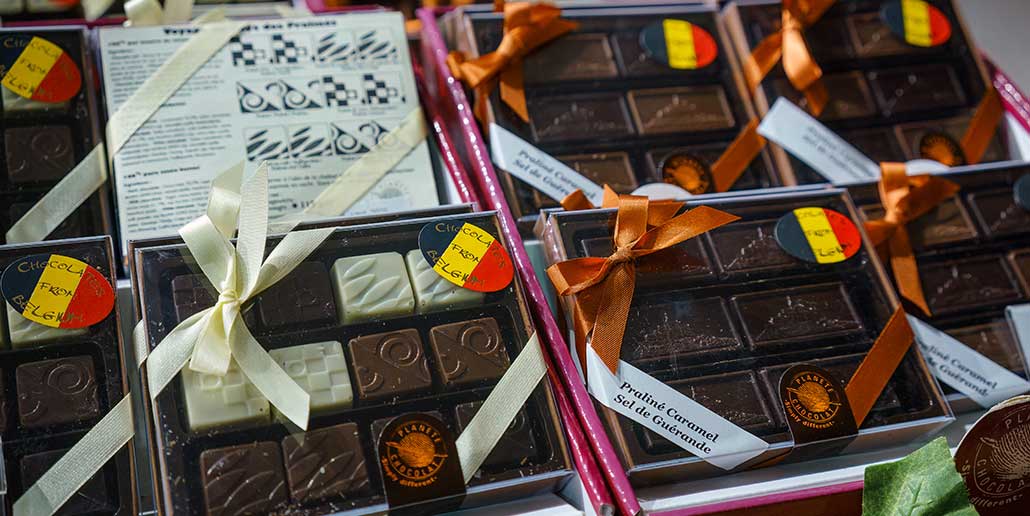
Few countries can rival Belgium’s dedication to the art of chocolate. Chocolate is embedded in Belgian culture, with hundreds of artisan chocolatiers crafting everything from simple bars to exquisite pralines.
The praline, a filled chocolate shell, was invented in 1912 by Belgian chocolatier Jean Neuhaus. His creation transformed chocolate into a luxury gift item, complete with elegant packaging and sophisticated flavours.
Belgian chocolate is characterized by its high cacao content, fine texture, and diverse fillings — from silky ganaches to crunchy nuts and rich caramels. Brands like Neuhaus, Godiva, Leonidas, and Pierre Marcolini are international ambassadors of Belgian chocolate excellence, and even small towns in Belgium often boast more chocolate shops than cafes.
France’s Elegant Ganaches and Bonbons
France brought elegance, artistry, and gastronomic flair to the chocolate world. French chocolatiers treat chocolate as haute cuisine, focusing on flavor complexity, balance, and aesthetics.
The French are known for their ganaches — silky mixtures of chocolate and cream — and bonbons, delicate pieces filled with everything from fruit purees to praline pastes. Texture and flavor layering are key; a single bonbon might offer a progression from crunchy to creamy to melt-in-your-mouth.
In Paris, legendary houses like La Maison du Chocolat, Patrick Roger, and Pierre Hermé approach chocolate as both science and art. French chocolate also emphasizes high-percentage cacao blends, offering a darker, more intense chocolate experience compared to some sweeter European traditions.
Italy’s Gianduja and Traditional Chocolate Styles
Italy’s chocolate traditions are deeply regional and wonderfully diverse. Perhaps the most famous contribution is gianduja — a luscious blend of chocolate and hazelnut paste — invented in the early 1800s in Piedmont due to cacao shortages during the Napoleonic Wars.
This creamy confection remains a staple, inspiring treats like Nutella and artisanal gianduja bars. Italian chocolate also boasts unique regional specialties:
- Modica chocolate from Sicily, made with a coarse, grainy texture using ancient Aztec techniques
- Baci Perugina, chocolate “kisses” filled with hazelnuts and love notes
- Venetian and Tuscan chocolates featuring wine pairings and local flavors
Italy’s approach is less about mass production and more about heritage, quality ingredients, and celebrating local cacao traditions.
British Chocolate Traditions (Cadbury, Modern Craft)
Britain played a pivotal role in making chocolate a part of everyday life. In the 19th century, companies like Cadbury, Fry’s, and Rowntree’s transformed chocolate from a luxury product to an affordable, beloved treat for the masses.
Cadbury’s Dairy Milk — launched in 1905 — became one of the first mass-market milk chocolates, solidifying chocolate’s place in British culture. Chocolate was no longer just a special indulgence; it was for everyone.
Today, while brands like Cadbury continue to dominate, Britain is also experiencing a craft chocolate revival. Bean-to-bar makers such as Pump Street Chocolate, Dormouse Chocolates, and Land Chocolate are focusing on ethical sourcing, single-origin cacao, and artisanal techniques, bringing new depth and sophistication to the UK chocolate scene.
Europe’s journey with chocolate is a rich tapestry of invention, artistry, and passion. Each country adds its own unique flavor and story, creating a continent that doesn’t just consume chocolate — it crafts and cherishes it.