



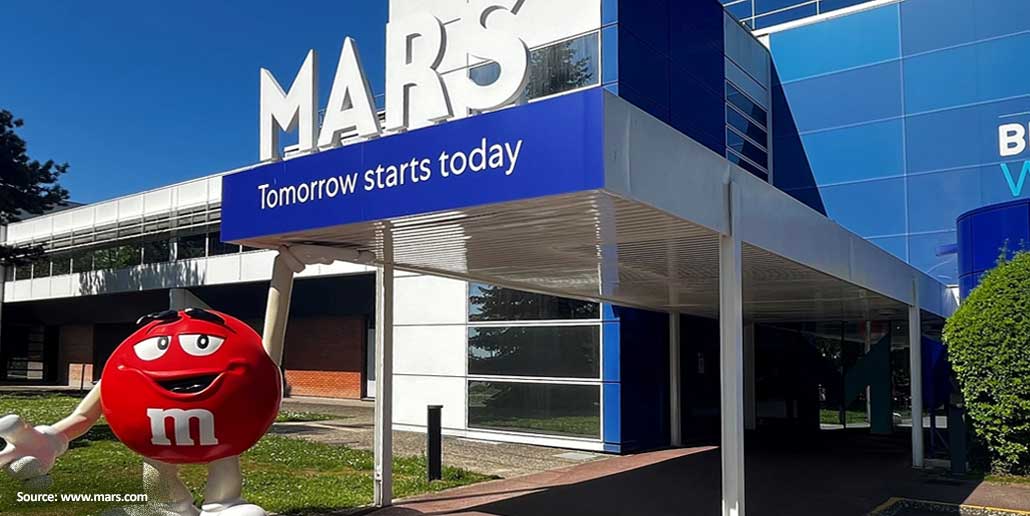
Mars Inc. Pours €1 Billion Into Europe
Mars Inc., the global confectionery and pet care giant, has announced a landmark €1 billion investment in its European manufacturing operations. The ambitious plan, slated for completion by the end of 2026, reflects the company’s commitment to modernising its production facilities, enhancing sustainability practices, and innovating in product development. Mars, which owns iconic brands including M&M’s, Snickers, Pedigree, and Whiskas, is responding to significant changes in global consumer behaviour. In particular, the slowing demand for packaged foods in the United States has prompted the company to shift focus and strengthen its European footprint.
This investment represents one of the largest in Mars’s European operations in recent years and is expected to have wide-ranging implications for the company, its employees, suppliers, and the wider European food manufacturing industry.
Strategic Objectives of the Investment
The €1 billion injection into Mars’s European operations is a multifaceted strategy aimed at achieving several key objectives.
- Modernisation of Manufacturing Facilities
Mars intends to upgrade its existing European factories with advanced automation, robotics, and digital monitoring systems. These upgrades will improve production efficiency, reduce errors, and enable the company to scale up production of high-demand products without significant increases in labour costs. Automation will also allow Mars to implement predictive maintenance, reducing downtime and prolonging the operational life of machinery. - Sustainability and Decarbonisation Initiatives
A large proportion of the investment will go toward decarbonising the supply chain. This includes transitioning to renewable energy sources, improving energy efficiency in production, and exploring low-carbon logistics solutions. Mars has set ambitious goals to achieve net-zero emissions in its operations, and this investment will accelerate progress toward that target. The company also plans to increase its use of sustainably sourced ingredients, including cocoa certified under recognised ethical and environmental standards. - Innovation in Product Development
Consumer preferences are rapidly evolving, with growing demand for healthier, plant-based, and ethically sourced products. Mars’s investment will facilitate research and development of new product lines and allow reformulation of existing products to meet these trends. From low-sugar chocolates to alternative-protein pet foods, Mars aims to capture emerging market opportunities while maintaining its traditional brand strengths. - Economic Resilience and Market Diversification
By strengthening its European manufacturing capabilities, Mars aims to diversify its global supply chain and reduce reliance on any single market, particularly the United States. Slowing growth in packaged food consumption in North America has made it imperative for multinational companies to balance revenue streams across multiple regions. Europe, with its robust consumer base and strategic logistics networks, provides an ideal hub for sustaining long-term growth.
Mars’s European Operations
Mars has a well-established presence in Europe, operating 24 factories across ten countries and employing around 25,000 people. Products manufactured in Europe account for approximately 85% of the company’s European sales. This localised production reduces shipping times, lowers transportation emissions, and ensures a reliable supply chain even amid global disruptions.
The planned investment will further strengthen these operations, upgrading key factories to meet modern manufacturing standards. Some of the facilities slated for renovation include chocolate production plants in Belgium and the Netherlands, pet food factories in France and Germany, and confectionery units in the UK. These upgrades are expected to boost both production capacity and product quality, allowing Mars to better compete in increasingly crowded markets.
Moreover, the investment will generate employment opportunities, particularly in engineering, digital operations, and sustainability roles, contributing to local economies across the EU. Mars’s focus on workforce development will also include retraining employees to manage new automated systems and adhere to enhanced sustainability practices.
Slowing US Demand and Strategic Moves
The decision to concentrate investment in Europe is closely linked to the slowing demand for packaged foods in the United States. Economic pressures, changes in consumer health preferences, and the growing popularity of fresh, home-prepared meals have contributed to reduced consumption of traditional packaged products.
In parallel, Mars is pursuing a $35.9 billion acquisition of Kellanova, the maker of Pop-Tarts and Pringles. While US regulatory approval has been granted, the European Commission is still reviewing the deal. The European investment not only strengthens Mars’s manufacturing base but also positions the company strategically in the event that regulatory challenges impact the acquisition timeline.
This dual approach—expanding European manufacturing while pursuing strategic acquisitions—demonstrates Mars’s proactive response to market dynamics, ensuring operational flexibility and resilience in both mature and emerging markets.
Implications for the Industry
Mars’s €1 billion investment will likely reverberate across the European food manufacturing industry.
- Enhanced Competition: Competitors may be prompted to invest in modernisation and innovation to maintain their market position. Mars’s upgrades could raise the standard for production efficiency and sustainability within the industry.
- Sustainability Leadership: By prioritising decarbonisation and ethical sourcing, Mars could set a benchmark for environmental practices, encouraging other companies to adopt similar measures. This could lead to a more sustainable supply chain across the European food sector.
- Consumer Benefits: The focus on innovation and healthier products will provide consumers with more options, aligning with growing demand for ethical, sustainable, and nutritious offerings.
- Economic Impact: Increased investment in factories and the workforce will stimulate local economies, creating jobs and supporting ancillary industries such as logistics, packaging, and ingredient supply.
Mars Inc.’s €1 billion investment in European manufacturing represents a major step in adapting to evolving global market conditions. By modernising facilities, embracing sustainability, and fostering innovation, the company is positioning itself for long-term growth in Europe while mitigating risks from slowing US demand.
This strategic move underscores Mars’s commitment to responsible manufacturing, operational resilience, and consumer-centric innovation. With upgrades across multiple factories and a focus on both environmental and economic sustainability, Mars is not only securing its market leadership but also contributing positively to European economies and the global food industry.
The investment highlights a forward-thinking approach to manufacturing in a rapidly changing world, demonstrating how global companies can balance growth, innovation, and sustainability in parallel. As the European operations evolve, Mars’s initiative will serve as a model for strategic investment in the 21st-century food manufacturing landscape.