Founded: 2004
Home: Pomerode, Santa Catarina, Brazil
Founders: Maitê Lang & Ivan Blumenschein
Chocolate Model: Bean to bar
Milestone: Serra do Conduru 80%, launched 2006
Known for: Brazilian cacao and origin-focused chocolate
Visit Nugali Chocolates




Nugali Chocolates
Brazilian Bean-to-Bar Chocolate from Pomerode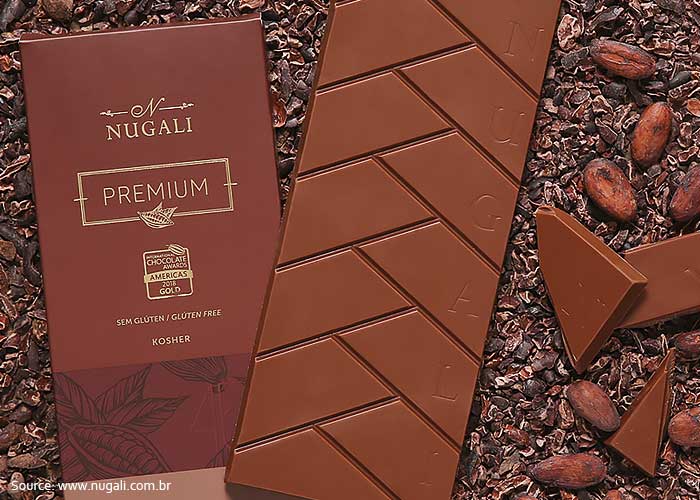

Helping Pioneer Brazil’s Bean-to-Bar Chocolate Movement
When Nugali Chocolates was founded in Pomerode, Santa Catarina, in 2004, Brazil was already one of the world’s important cacao-growing countries. Yet founders Maitê Lang and Ivan Blumenschein saw an opportunity to create premium chocolate within Brazil using Brazilian cacao.
Their approach helped establish a new chapter in the country’s chocolate industry.
Nugali began producing high-cacao chocolate in 2004 and became an early advocate for controlling the chocolate-making process from the cacao bean through to the finished bar. Two decades later, the company remains closely associated with the rise of Brazilian bean-to-bar chocolate.
Brazil’s First Bean-to-Bar Chocolate
A milestone arrived in 2006 with the launch of Serra do Conduru 80% Cacau.
Nugali identifies it as the first bean-to-bar chocolate produced in Brazil. Created with cacao from southern Bahia, the bar was also among the first Brazilian chocolates to prominently identify the cacao’s origin. That was significant at a time when much of Brazil’s chocolate industry relied on cacao mass processed by outside suppliers.
Nugali instead took responsibility for selecting cacao beans and carrying out roasting, grinding, chocolate production, tempering, moulding and packaging itself.
In 2026, Serra do Conduru celebrates its 20th anniversary, while Brazil now has more than 100 bean-to-bar producers, according to Nugali.
Putting Brazilian Cacao at the Centre
Brazilian cacao remains fundamental to Nugali’s identity.
Rather than treating cacao simply as a raw commodity, the company works with different Brazilian origins and flavour profiles. Its relationships with growers have focused on encouraging cacao quality while providing a market for carefully cultivated beans.
The agricultural landscape is part of that story. Nugali says the producers from whom it purchases cacao use agroforestry systems, where cacao grows alongside other vegetation. Such systems can maintain tree cover and biodiversity while producing cacao as a commercial crop.
That connection between farming, origin and finished chocolate helps distinguish Nugali from conventional industrial chocolate production.
International Recognition for Brazilian Chocolate
Nugali’s chocolates have increasingly attracted attention outside Brazil.
According to the company, its products have earned more than 50 medals in international competitions since 2016. In 2026 alone, six Nugali products received honours at the International Chocolate Awards Americas competition.
Those awards also tell a broader story.
Brazil spent generations being recognised primarily as a producer and exporter of cacao. Companies such as Nugali have helped demonstrate that the country can also transform its cacao domestically into internationally recognised finished chocolate.
Today, Nugali reports producing approximately 200 tonnes of chocolate annually, with products available at nearly 2,000 points of sale across Brazil.
Visitors Can Follow the Chocolate-Making Process
Unlike many chocolate factories, Nugali also opens its production facility to visitors.
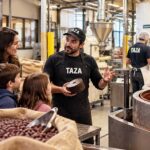
The Tour Nugali in Pomerode follows cacao through the chocolate-making process, covering cultivation, fermentation and drying before showing how beans are roasted, ground, refined, conched, tempered and moulded into chocolate.
The experience has become an attraction in its own right. Nugali reports receiving more than 100,000 visitors annually, and the tour received Brazil’s Prêmio Expressão de Ecologia in 2024 for its work in tourism, environmental education and conservation.
That gives Nugali an unusual position where chocolate making, cacao education and tourism come together in one place.
A Brazilian Chocolate Story Still Evolving
More than 20 years after its founding, Nugali represents an important shift in how Brazilian cacao can reach consumers.
Instead of exporting cacao and leaving much of its transformation to manufacturers elsewhere, bean-to-bar production creates an opportunity to retain more of the chocolate-making process within the cacao-producing country.
For Nugali, that journey began in Pomerode and led to the Serra do Conduru 80% Cacau bar in 2006. Twenty years later, the bar remains part of a much larger story: the emergence of Brazil as not only a source of cacao, but also a producer of fine chocolate.