


The Chocolate Museum on Jeju Island, South Korea
Discover chocolate history and hands-on experiences inside a distinctive volcanic-stone museum.
Jeju Island may be better known for volcanic landscapes, waterfalls and dramatic coastlines, but tucked into the western countryside is an unexpected attraction dedicated entirely to chocolate. The Chocolate Museum combines exhibits, chocolate making and tastings within a building constructed from Jeju’s characteristic volcanic stone.
Located in Daejeong-eup, Seogwipo, the museum introduces visitors to cacao, chocolate history and the process of transforming cacao beans into finished chocolate. Its unusual architecture and island setting make the experience particularly distinctive among the world’s chocolate museums.
Discover Jeju’s Chocolate Museum
Chocolate Inside a Volcanic-Stone Castle
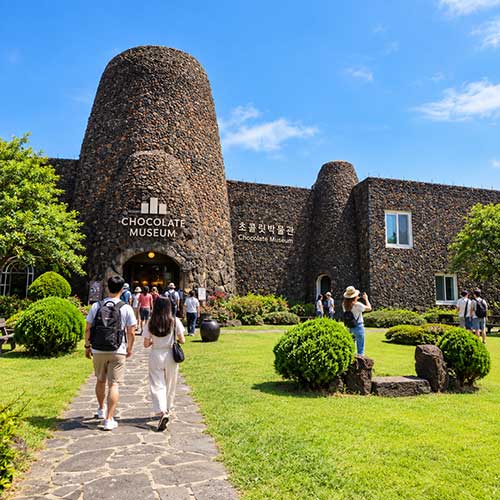
The building is part of the attraction. Constructed using Jeju volcanic scoria, its dark stone exterior gives the museum the appearance of a small castle emerging from the island landscape.
Inside, three floors are devoted to different aspects of chocolate, with exhibition spaces, a gallery, theatre, café, workshop and chocolate shop. The contrast between the rugged Jeju architecture and the story of chocolate gives the museum a character quite different from a conventional visitor centre.
Following Chocolate’s Journey
Displays introduce visitors to cacao and trace chocolate’s development through history. Exhibits explore how cacao is cultivated and processed while also presenting chocolate-related artefacts and equipment.
Visitors can move from the origins of cacao to the techniques involved in producing the finished chocolates familiar today. For travellers who normally encounter chocolate only in a shop, the museum provides an accessible introduction to the much longer journey behind every bar.
Chocolate Making and Tasting
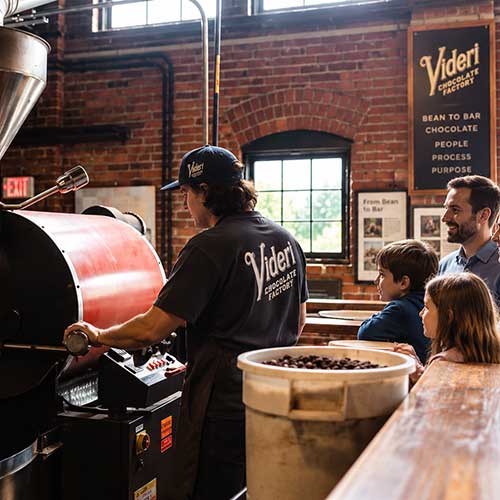
Chocolate becomes much more engaging when visitors can see how it is made. The museum includes production areas where guests can observe elements of chocolate making and sample chocolate produced on site.
Hands-on chocolate-making programmes are also offered, including experiences aimed at younger visitors. Availability can vary, so families interested in participating should check the current programme before travelling.
A Museum Made for Exploring
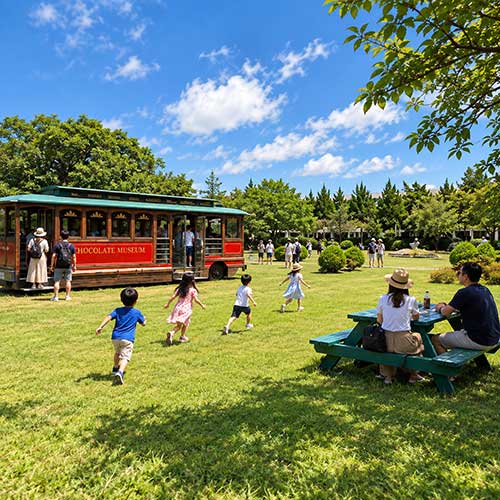
The Chocolate Museum is more than a sequence of informational displays. Its combination of exhibition spaces, chocolate production, workshop areas and unusual architecture encourages visitors to explore at their own pace.
A café and chocolate shop provide an opportunity to extend the visit, whether stopping for something sweet or taking locally made chocolate home.
The museum’s setting also makes it a natural addition to a wider western Jeju itinerary rather than an attraction that needs to occupy an entire day.
Tips for Planning Your Visit
Allow approximately one to one-and-a-half hours to explore the museum comfortably, with additional time if participating in a chocolate-making programme.
Opening hours and programme availability can vary seasonally. Current Korean tourism listings do not always display identical operating information, so visitors should confirm the latest hours directly before making a special journey.
The museum is in western Jeju rather than one of the island’s major urban centres. Travellers exploring by car may find it easiest to combine the visit with other attractions around western Jeju.
Find the Chocolate Museum
Why It’s Worth the Stop
Jeju’s Chocolate Museum stands apart because its sense of place is difficult to separate from the experience. The volcanic-stone building immediately connects the attraction to the island, while the exhibits introduce a product that originates thousands of kilometres away.
The result is an unusual combination of chocolate history, hands-on discovery and Jeju character. It works particularly well as a family stop or as something different between the island’s better-known natural attractions.
For chocolate travellers, it also gives the International Chocolate Attractions collection something important: a chocolate experience shaped as much by its destination as by the chocolate itself.
— A Note From Our Editor —
Chocolate museums can sometimes feel remarkably similar, which is why Jeju’s setting makes this one particularly interesting. The volcanic-stone architecture gives the museum an immediate connection to the island, while the exhibits, chocolate making and hands-on experiences keep the visit accessible for families. It is an unexpected addition to a Jeju itinerary — and a reminder that chocolate culture has travelled remarkably far from cacao’s tropical origins.